Blog › Air Filter Selection
Air Filter Selection
Air Filter Types Compared: Panel, Round and Heavy-Duty — and When Nano-Fiber Wins
Panel, round and heavy-duty elements are not interchangeable. Here is how the three form factors and the media grade behind them match different fleets and markets.
October 19, 2026 · 6 min read
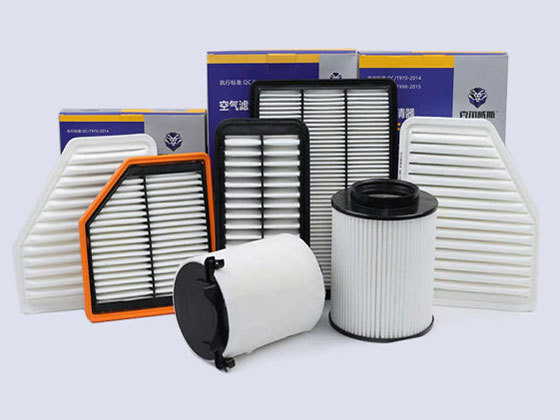
The three form factors, explained
Air filters come in three practical form factors. Panel elements are flat, rectangular cartridges that slide into an airbox — the standard for passenger cars and most SUVs. Round elements are cylindrical cartridges common on light trucks, buses and older commercial vehicles, fitted over a center tube. Heavy-duty elements add a safety layer and larger media area for construction, agricultural and heavy-truck duty, where dust loads are extreme.
The form factor is set by the vehicle, not by choice: a panel car cannot take a round element, and a heavy truck does not run on a passenger panel. The exporter’s job is to know which form factors the target market’s fleet actually uses, so the catalog covers the parc instead of a generic selection.
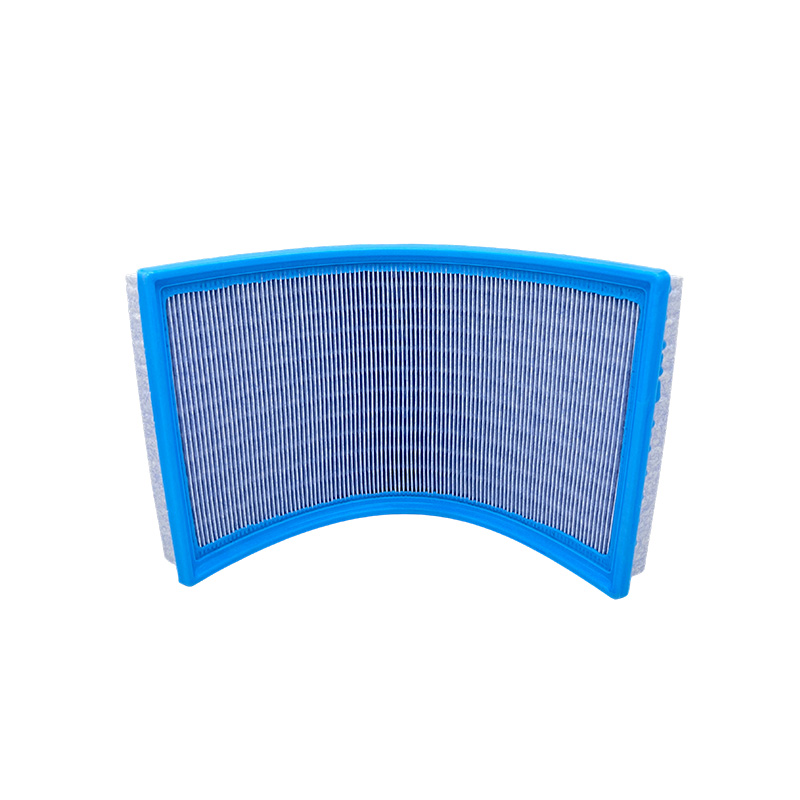
Media grade is the real differentiator
Within a given form factor, media grade does most of the work. Resin-impregnated cellulose is the cost baseline, adequate for temperate markets with moderate dust. Nano-fiber composite adds a fine surface layer that catches the smallest, most abrasive particles while holding more dust per unit area — the right call for desert, construction and unpaved-road duty. A safety layer on heavy-duty elements protects the main media if the outer layer is damaged in service.
Two filters of the same outside dimensions can differ sharply in dust-holding capacity depending on pleat count and media. This is why the cheapest quote is rarely the best value, and why a credible data sheet cites the test standard (ISO 5011 or SAE J726), the test dust and the micron level rather than a bare percentage.
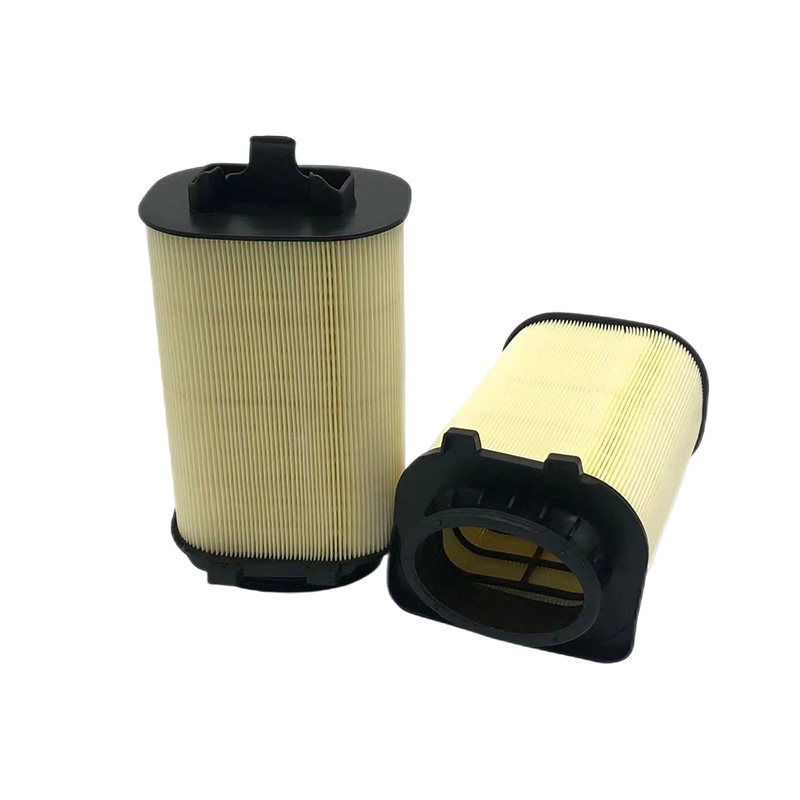
Matching type to market
The Middle East and North Africa are dust-first markets: fine desert dust is exactly what a nano-fiber layer catches best, and buyers there already understand that a clogged, high-dust filter shortens engine life. Temperate highway markets are well served by standard cellulose, where the buyer is optimizing cost per unit rather than dust-holding.
Heavy-duty markets — construction, agriculture, mining and long-haul trucking — reward the safety-layer element. Here the filter protects a very expensive engine, and the value story is uptime and overhaul avoidance, not unit price. Position each form factor and media grade against the market’s actual dust load, and the catalog becomes a consultative tool rather than a price list.
What to put on the spec sheet
A credible air-filter data sheet states the test standard, test dust, efficiency at a stated micron level, and — for dusty markets — dust-holding capacity in grams. Fitment should be pinned to an OE-number cross-reference plus a physical sample approval, because a panel that is even 2 mm off lets unfiltered air bypass the element.
For an importer, the strongest position is total cost of ownership: a nano-fiber element that costs a little more but lasts longer and protects better is cheaper per kilometre than a cellulose element replaced twice as often. That is a story a distributor can repeat to their own customers.